Description
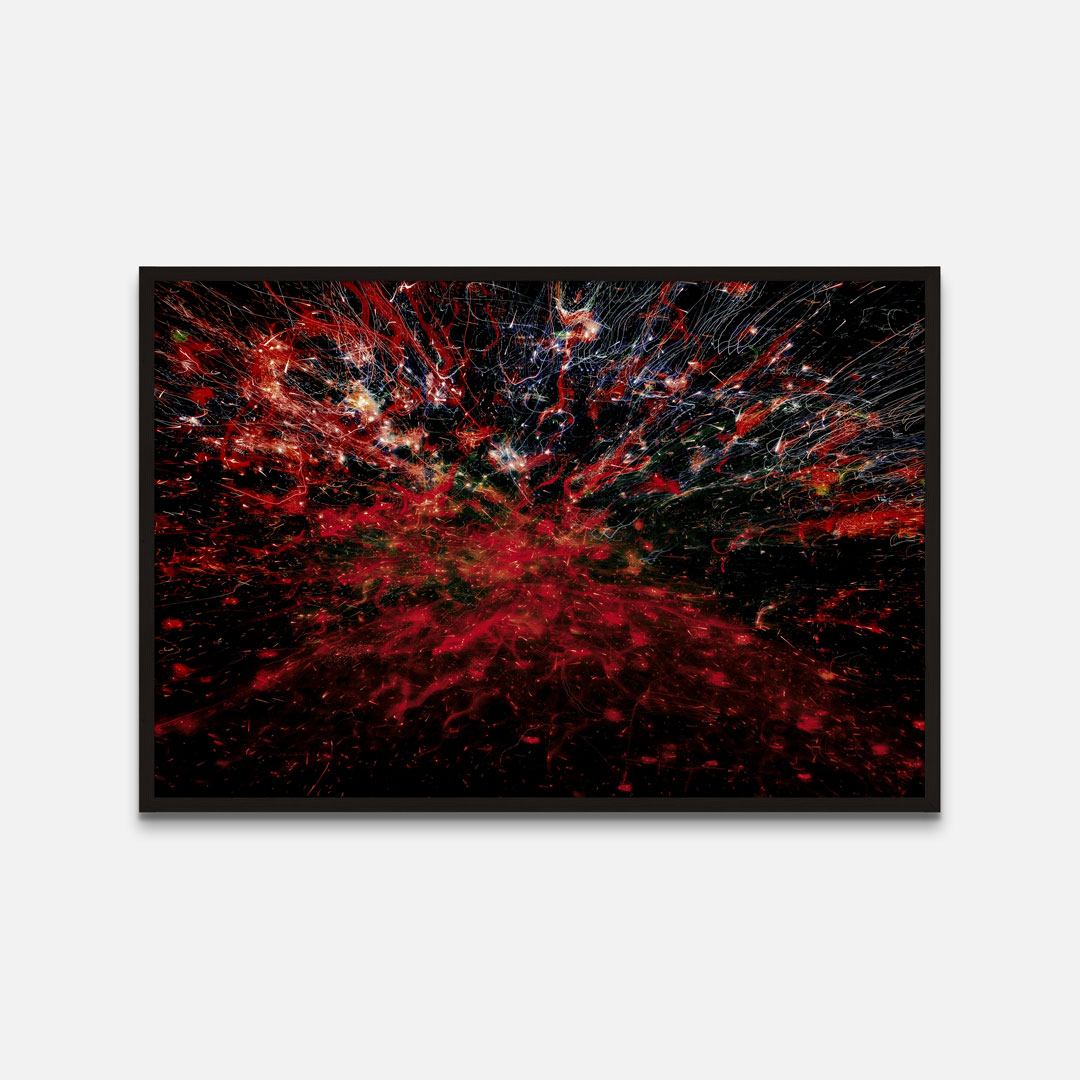
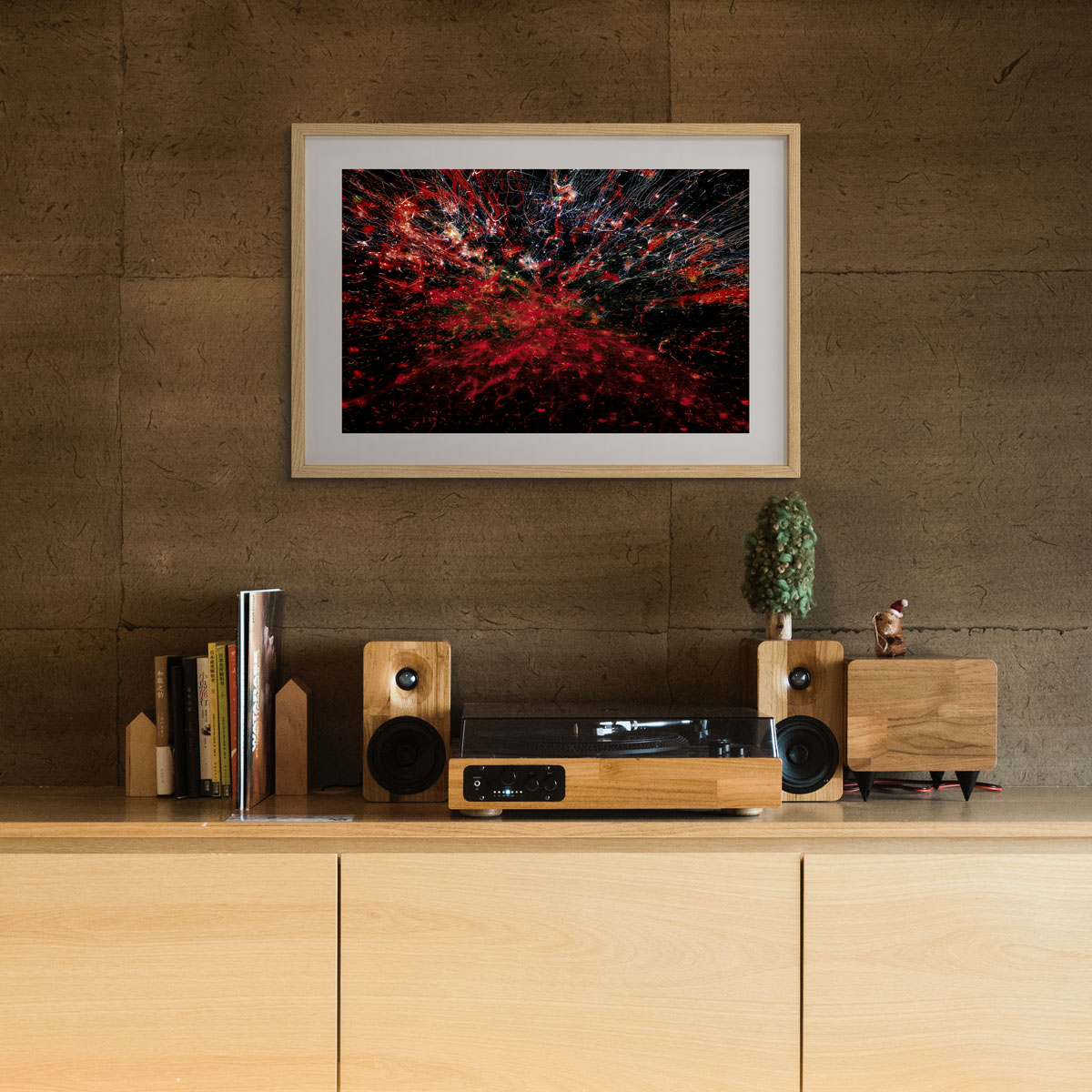
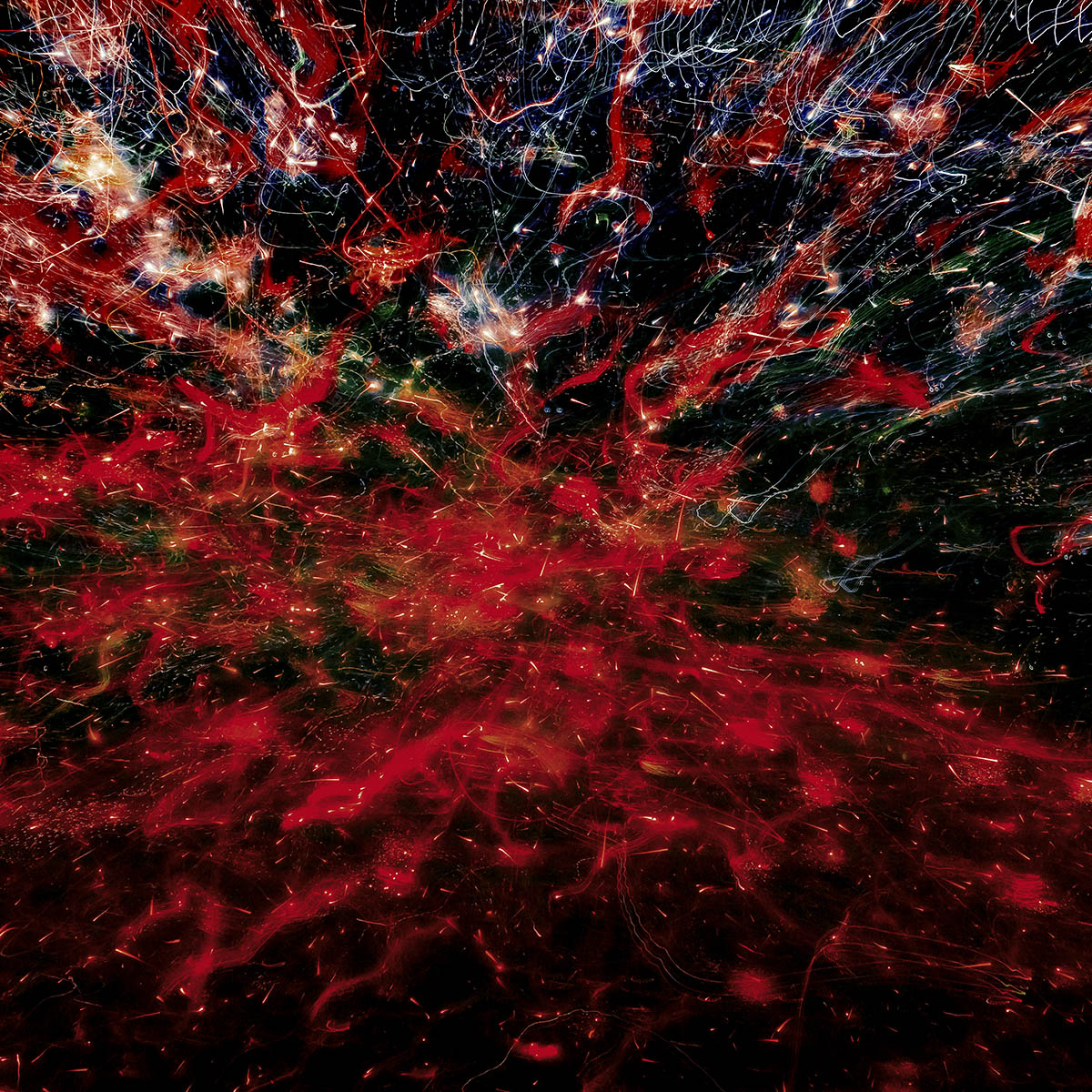
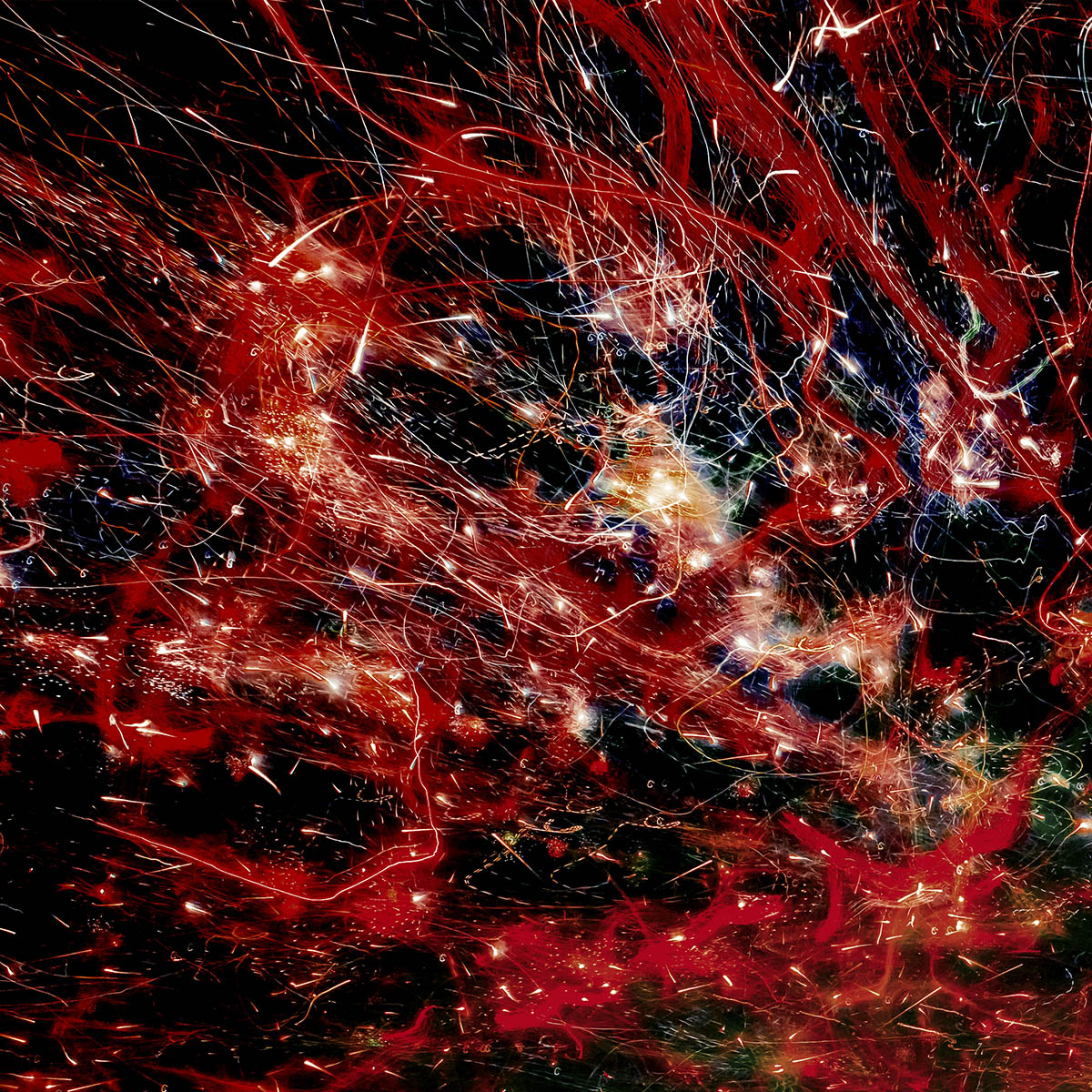
Napex 2310142 Napoli Explosion
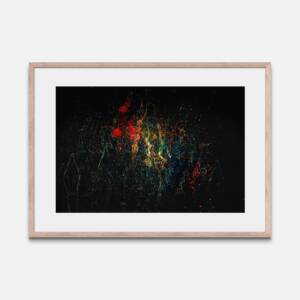
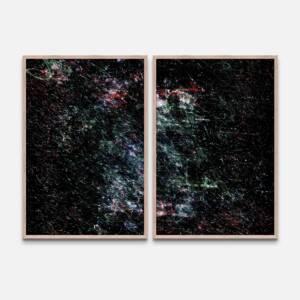
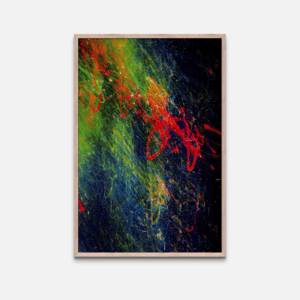
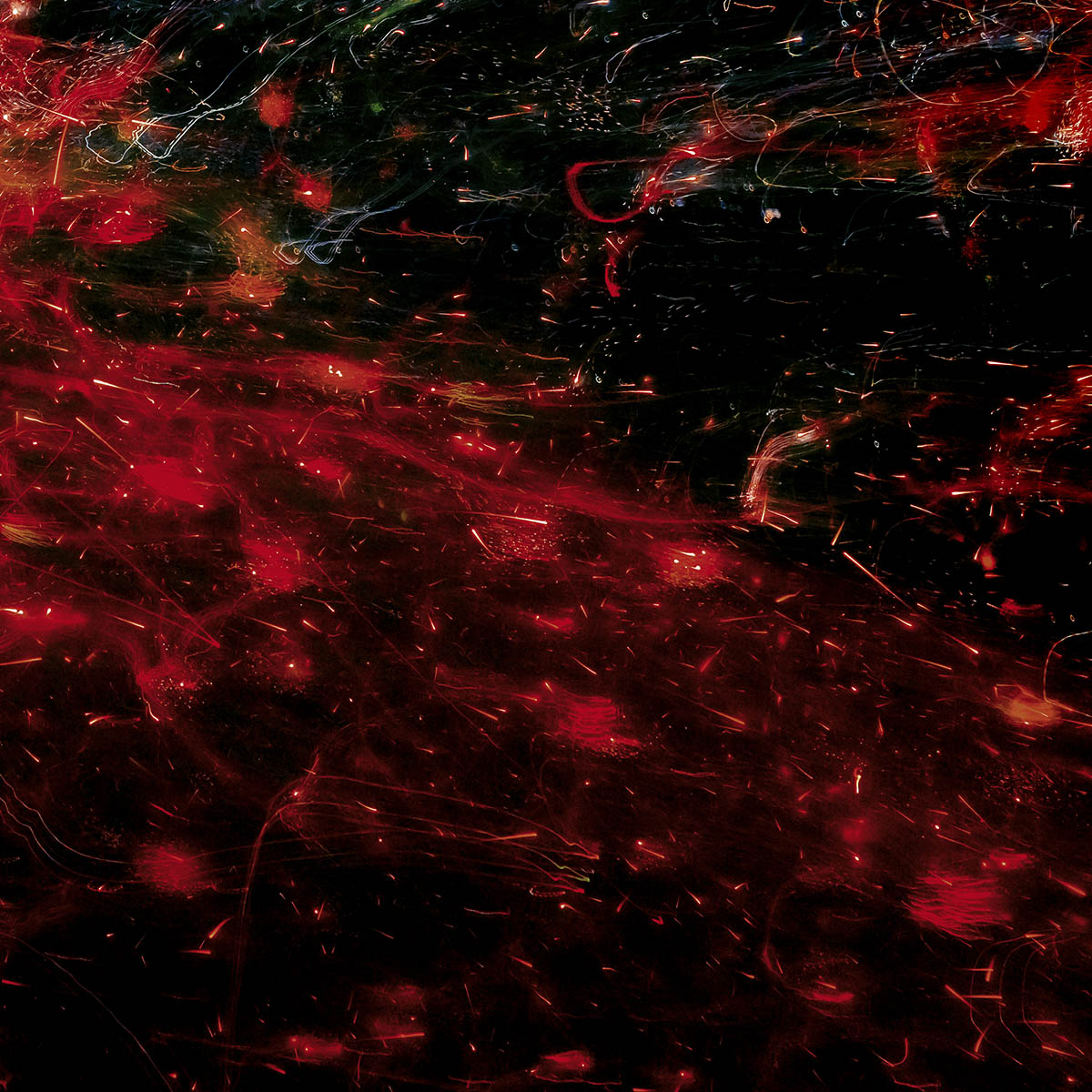
Anthropologically speaking, fireworks stage the world: explosion, dispersion, disappearance. Their grammar is universal, a burst, an expansion, an extinction, replaying before our eyes the cycle of beginnings, peaks, and ends. In each flare, colour regains its original power: to signal, to gather, to move. It speaks an ancient language, one with which societies have always represented power, celebration, jeopardy, or the sacred. In modern times, fireworks have become a painting of time. Artists and photographers, such as Mario Amura, see them as a laboratory where exposure, duration, and movement transform the explosion into a luminous script, an image that is no longer instantaneous but processual, trace and pure invention at once.
Napoli Explosion
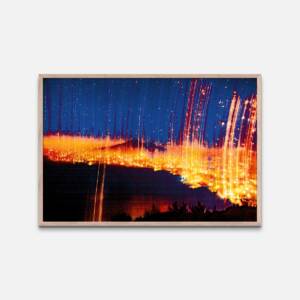
The window of my bedroom overlooked Mount Vesuvius, and every morning, with reverence, I whispered a good morning to it as one would address a slumbering person, afraid of awakening them. The volcano is a living presence for anyone living at its slopes. For over 12 years, on New Year's Eve, my team and I ascend Mount Faito, a mountain overlooking the Bay of Naples, to capture the extraordinary choreography of lights and colors produced by fireworks all around Vesuvius. Through this superstitious and propitiatory ritual, the people of Naples welcome the new year. The image of the black and silent silhouette of the volcano submerged by the cacophony of fireworks' colors seemed to me a representation that needed to be explored seriously and viewed from different perspectives.
Over the years, the project has evolved into an experimentation of new forms of writing with light, using a unique color palette provided by the hundreds of thousands of fireworks exploding simultaneously. Over time, Napoli Explosion has become a work in search of the feeling of light.