

Description
Napex 91133 Napoli Explosion
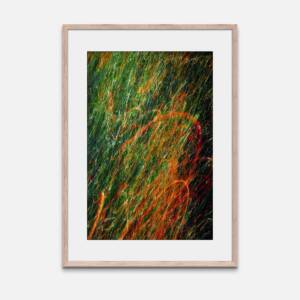
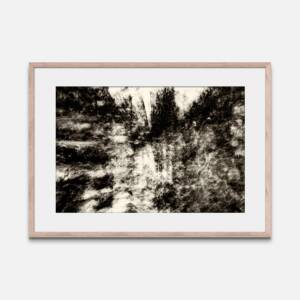
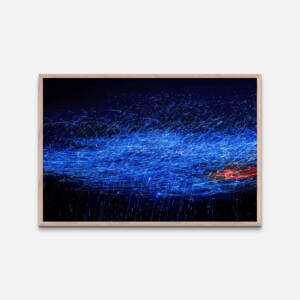
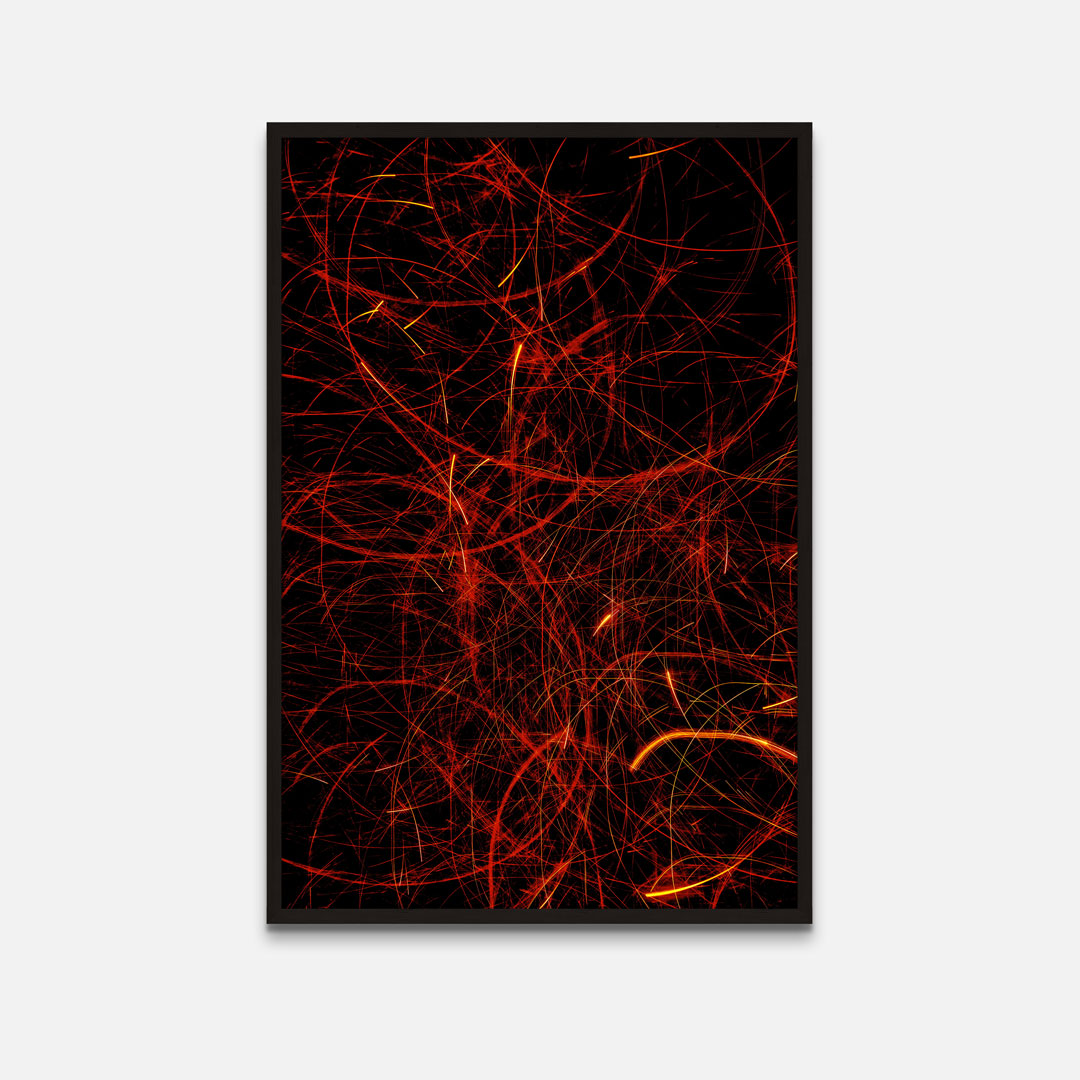
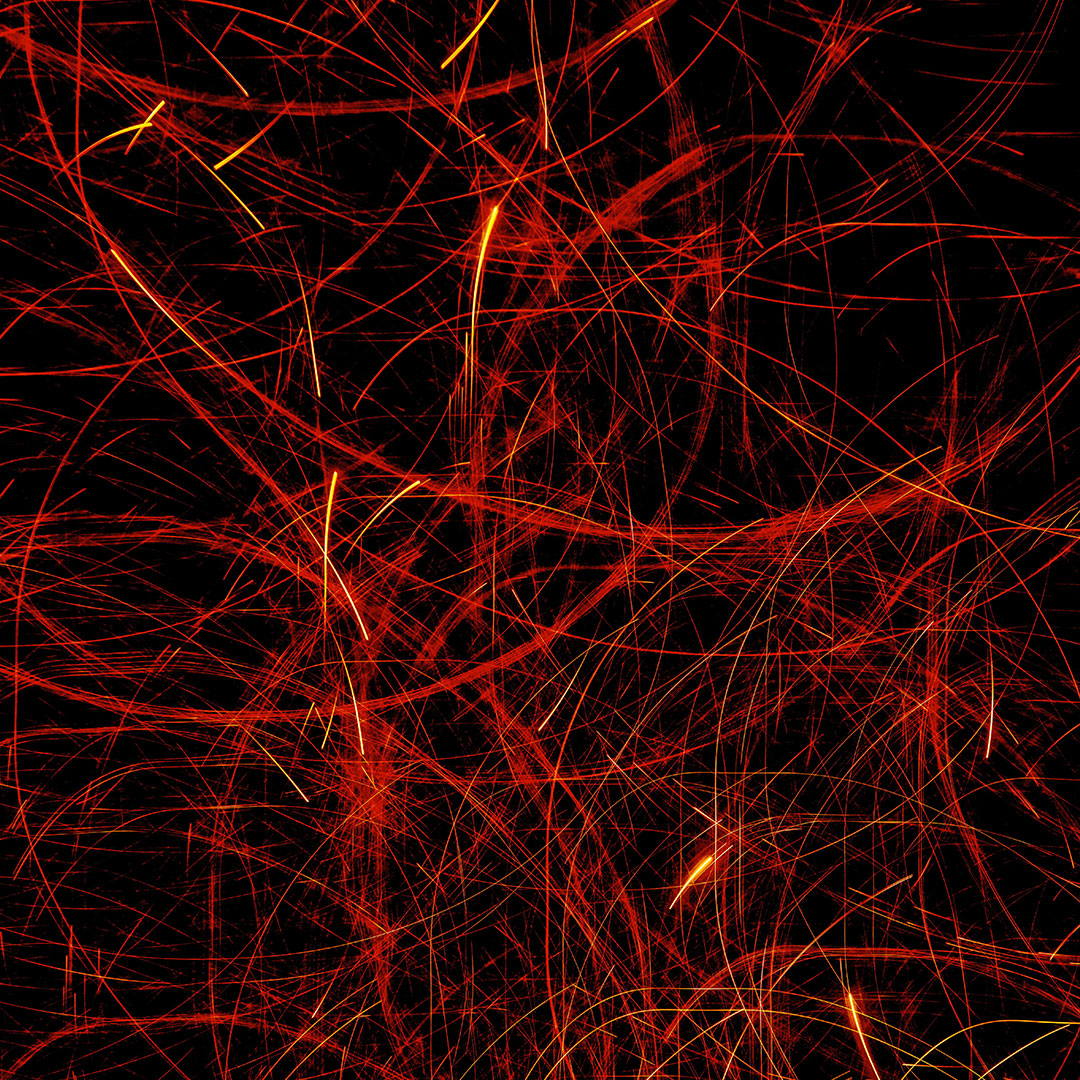
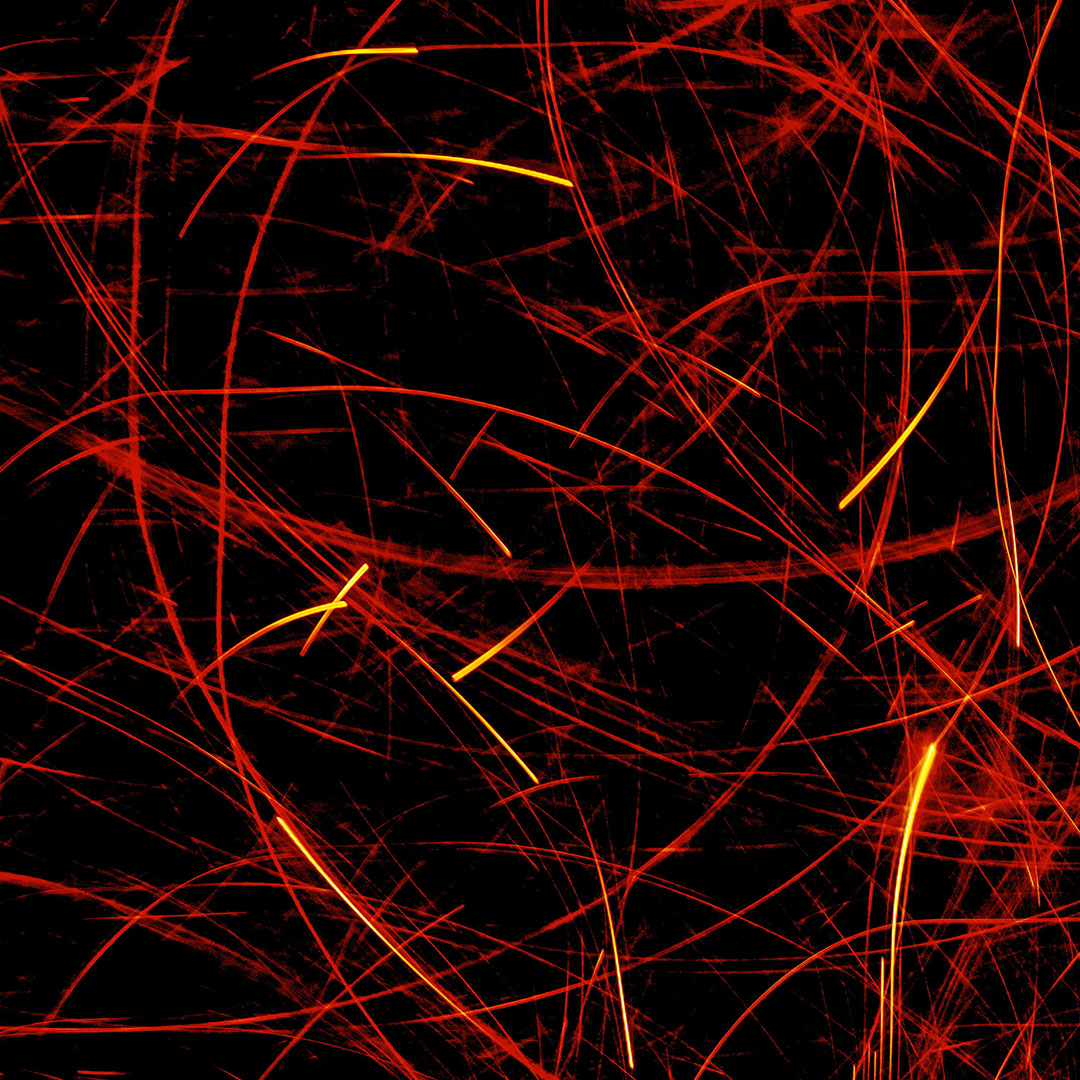
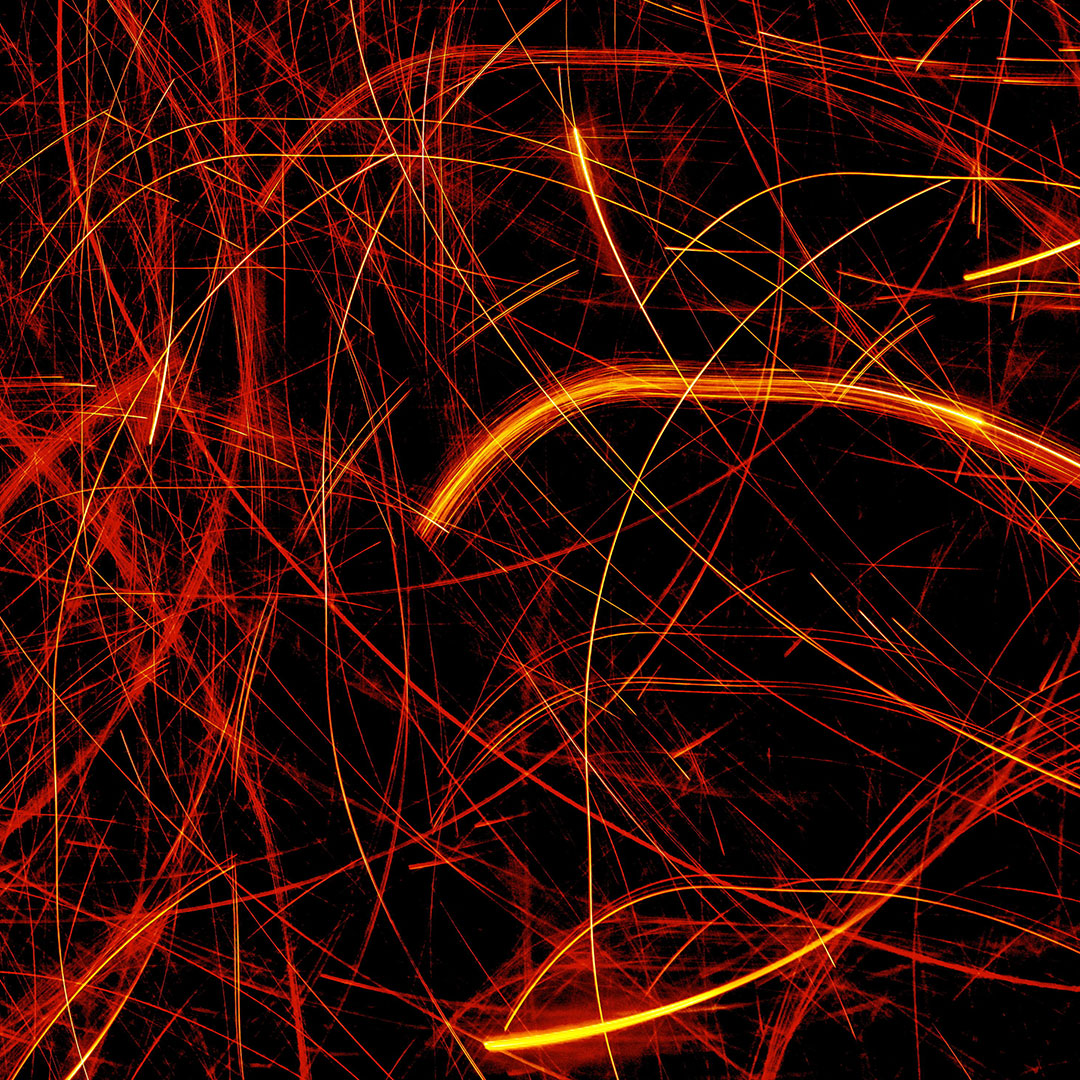
We have already spoken at length about exposure time and framing, the two main freedoms available to the photographer. But we have not insisted enough on the issue of speed. It is in fact through slowness, i.e. the lengthening of exposure time, that the very sensation of speed and motion is sustained. This paradox is essential: it is duration that reveals momentum, the stretching of time that generates the effect of lightning speed. The effects obtained are reminiscent of those of early 20th century painters, and this image arises from that mental territory where French Orphism, English Vorticism, Russian Suprematism, and Italian Futurism brushed against each other without ever truly meeting, all fascinated by what they perceived as the new energy of modernity: speed. Futurism was the first movement to proclaim speed as an absolute value, an aesthetic principle and a metaphysical engine. For Marinetti and Boccioni, it was no longer a matter of representing movement, but of transferring its acceleration into the image: lines of force, multiplication of forms, fragmentation of the figure, dissolution of the object into its trajectory. Suprematism radicalised this intuition. In Malevich, speed is no longer the depiction of a body in motion but the affirmation of pure, spiritual energy, liberated from any reference point. Forms glide, tilt, become weightless: they no longer represent movement, they are movement itself. Orphism, for its part, makes the movement of light into a cosmic principle: circles, vibrations and chromatic rotations become pure energy. Vorticism, on the contrary, conceives of speed in terms of broken lines, torsions, and centrifugal forces: a geometry of impulse, shock, and collision. Four brief, almost clandestine movements, yet decisive for understanding how the 20th century imagined motion. Napoli Explosion
Napoli Explosion
The window of my bedroom overlooked Mount Vesuvius, and every morning, with reverence, I whispered a good morning to it as one would address a slumbering person, afraid of awakening them. The volcano is a living presence for anyone living at its slopes. For over 12 years, on New Year's Eve, my team and I ascend Mount Faito, a mountain overlooking the Bay of Naples, to capture the extraordinary choreography of lights and colors produced by fireworks all around Vesuvius. Through this superstitious and propitiatory ritual, the people of Naples welcome the new year. The image of the black and silent silhouette of the volcano submerged by the cacophony of fireworks' colors seemed to me a representation that needed to be explored seriously and viewed from different perspectives.
Over the years, the project has evolved into an experimentation of new forms of writing with light, using a unique color palette provided by the hundreds of thousands of fireworks exploding simultaneously. Over time, Napoli Explosion has become a work in search of the feeling of light.